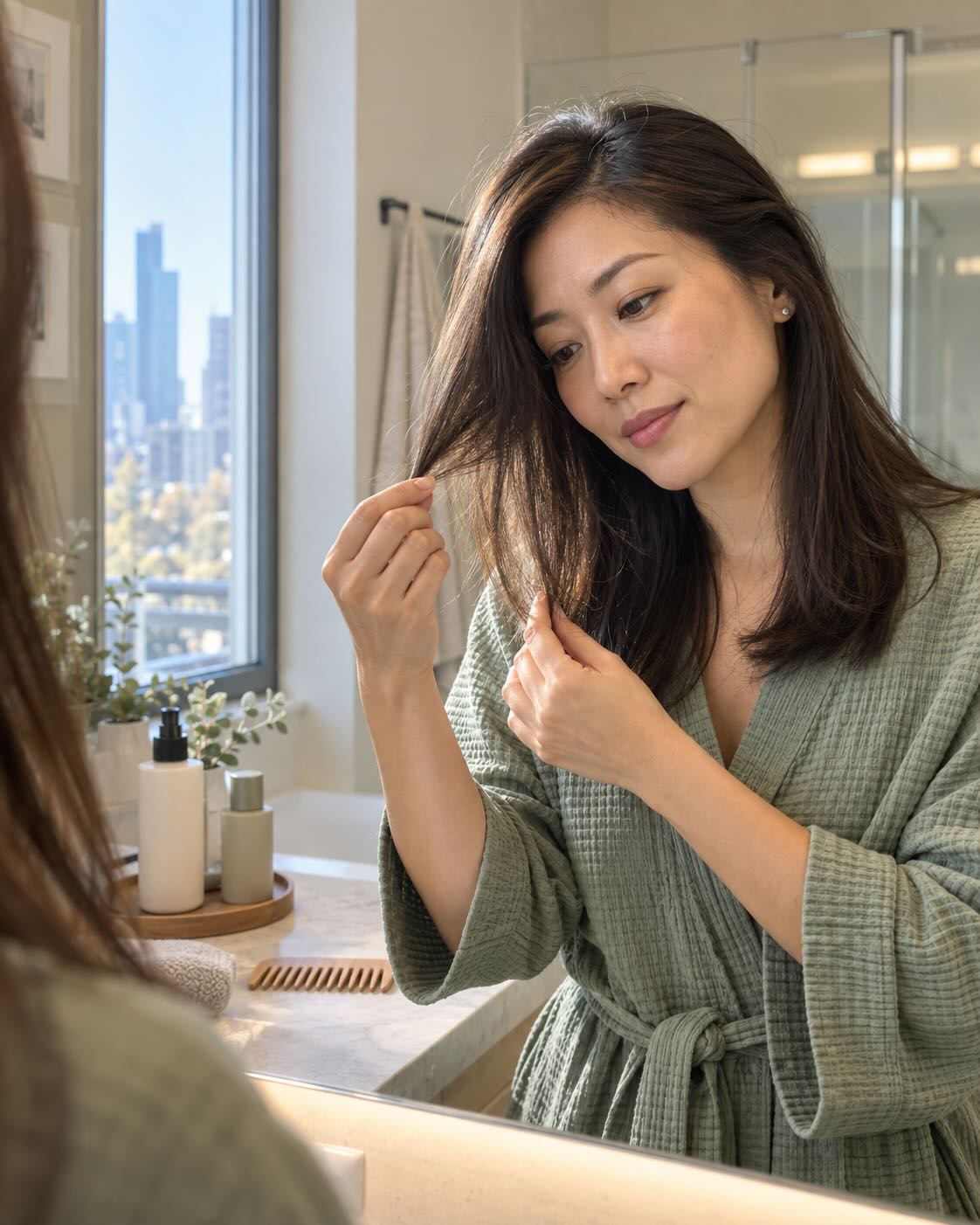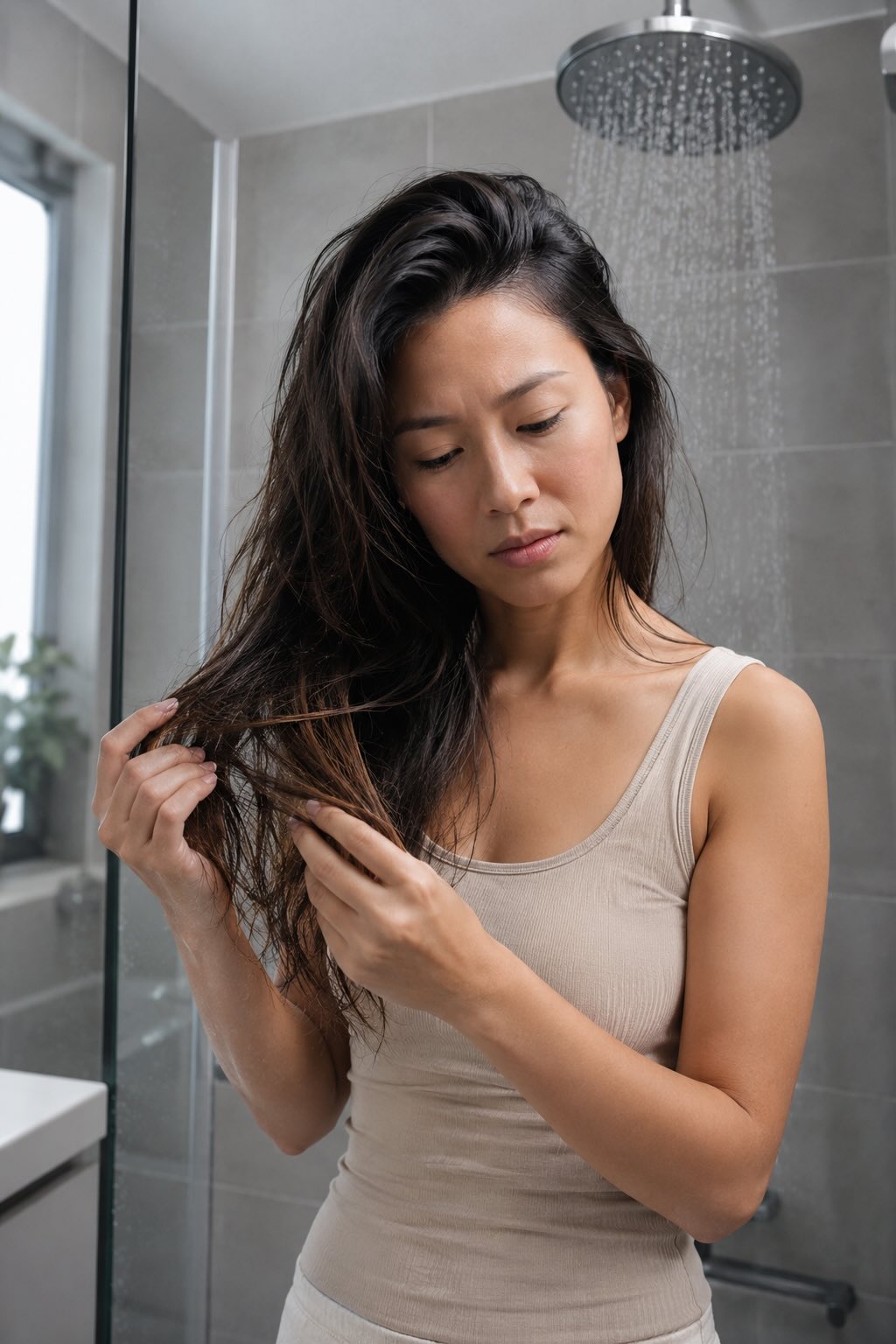

Why Does Hair Get So Dry in Canadian Winter?
If your hair becomes rough, dull, frizzy, static-prone, or harder to style when temperatures drop, you are not alone. Canadian winter can be especially demanding on hair because it combines cold outdoor air, dry wind, indoor heating, hats, scarves, hot showers, and more frequent heat styling.
The result is often hair that feels very different from how it behaved in summer. Your ends may feel drier, your curls may lose definition, your hair may become static, and styles may not last as long. For colour-treated, fine, curly, textured, or heat-styled hair, winter can also make existing damage more visible.
The good news is that winter dryness is not something you have to accept. A few practical changes to your damaged hair care routine can help your hair feel softer, look smoother, and stay more manageable through the colder Canadian months.
Why Canadian Winter Is Hard on Hair
Hair needs moisture and flexibility to feel smooth and resist breakage. During winter, the environment often makes it harder for hair to hold onto that moisture.
Cold outdoor air naturally contains less humidity than warm summer air. Then, once you step indoors, heating systems can make the environment even drier. This constant change between outdoor cold and indoor heat can leave hair feeling dehydrated, dull, and more prone to frizz.
Canadian winter hair-care sources commonly identify cold temperatures, dry indoor heating, hat friction, static, and repeated heat exposure as major reasons hair can feel dry and fragile in winter.
Hair is not living tissue, so it cannot replace lost moisture the same way skin can. That is why the products and habits you use matter more during colder months.
Cold Air Can Make Hair Feel Rougher
Cold outdoor air is often dry. When there is less humidity in the air, hair may lose moisture more easily. This can leave the outer layer of the hair strand feeling less smooth, which makes hair look duller and feel rougher.
You may notice this as:
- Ends that feel dry shortly after washing.
- More tangles than usual.
- Hair that looks puffy or frizzy.
- Curls or waves that seem less defined.
- Fine hair that becomes static and flyaway.
- Hair that catches or snags while brushing.
The colder the season becomes, the more important it is to protect the lengths and ends of your hair. Those areas are the oldest, most weathered parts of the strand and often show dryness first.
Indoor Heating Can Make the Problem Worse
Many Canadians spend a large part of winter indoors with the heat on. While indoor heating keeps homes comfortable, it can reduce humidity in the air. That means your hair is exposed to dryness even when you are not outside.
Dry indoor air can contribute to:
- Frizz and static.
- A dry or tight-feeling scalp.
- Hair that looks dull.
- More visible breakage around the crown.
- Ends that feel brittle.
- Hair that loses softness after styling.
This is why a dry hair routine should be adjusted for both outdoor weather and indoor environments. It is not only the snow, wind, or freezing temperatures outside that affect your hair. The warm, dry air inside your home, office, or car can matter just as much.
Winter Hats and Scarves Create Friction
Hats, hoods, scarves, and high collars are necessary in Canadian winter, but they can create friction against the hair. Wool, cotton, and other textured fabrics may rub against the hairline, crown, nape, and ends.
That friction can lead to:
- Static.
- Frizz.
- Flattened roots.
- Tangling at the neck.
- Breakage around the hairline.
- Rough-feeling ends.
This does not mean you should stop wearing hats. It means you should protect your hair underneath them. A smooth fabric layer, satin-lined hat, silk scarf, or protective hairstyle can reduce some of the friction that makes hair feel worse during winter.
For people with curls, coils, textured hair, extensions, colour-treated hair, or fine hair, this small detail can make a noticeable difference in how hair looks at the end of the day.
Hot Water Can Strip Moisture
A hot shower feels good when it is cold outside, but very hot water can leave hair and scalp feeling drier. Hot water may remove too much of the natural oil that helps hair stay comfortable and flexible.
If your hair feels rough immediately after washing, try using lukewarm water instead. You do not need to take a cold shower. Simply lowering the temperature slightly can help reduce the stripped feeling that sometimes follows winter wash days.
This is especially helpful if you wash often or have already noticed dry ends, scalp tightness, frizz, or breakage.
Heat Styling Adds Another Layer of Dryness
When hair already feels dry from weather and heating, regular hot-tool use can make the problem more visible. Blow dryers, flat irons, curling wands, and hot brushes all use heat that can reduce moisture and make hair less flexible over time.
Heat styling does not have to disappear from your routine, but it should become more intentional during winter.
Try these adjustments:
- Use the lowest effective temperature.
- Apply heat protectant before blow-drying or hot tools.
- Let hair partially air dry before styling.
- Avoid passing a flat iron over the same section repeatedly.
- Use heatless styles when you do not need a polished finish.
- Give hair a break from hot tools between events.
Winter hair-care guidance commonly recommends reducing regular high-heat exposure, using lower heat settings, protecting hair before styling, and choosing gentler drying methods when possible.
Colour-Treated Hair Can Feel Drier in Winter
Hair that has been bleached, highlighted, lightened, or coloured often becomes more porous. This means it may lose moisture faster and show frizz or dryness more easily when the weather changes.
If your colour-treated hair feels worse in winter, it may help to:
- Use a gentle, colour-safe cleanser.
- Condition every wash.
- Add a weekly mask.
- Avoid washing with hot water.
- Use a leave-in product on dry ends.
- Reduce unnecessary heat styling.
- Schedule regular trims.
A keratin shampoo Canada routine may be useful if your hair feels rough, weak, or difficult to manage after colouring or heat styling. Keratin-focused formulas are commonly marketed for hair that needs a smoother, stronger-feeling finish.
If your hair feels fragile, fine, or less full after seasonal stress, a biotin shampoo Canada formula may also fit into a strengthening-focused routine. Choose based on your hair texture, scalp needs, and how much moisture your hair needs alongside strength support.
Why Winter Dryness Can Cause Frizz
Frizz is often a sign that the outer surface of the hair is not lying smoothly. In winter, dry air, friction, and lack of moisture can make this more noticeable. Hair may reach for moisture from the environment, or it may simply look rough because the cuticle is less smooth.
A frizzy hair shampoo can help if it cleans gently and supports softness, but the rest of your habits matter too.
For better frizz control:
- Use conditioner on the mid-lengths and ends.
- Blot hair with a microfiber towel instead of rubbing.
- Apply leave-in moisture to damp hair.
- Use a small amount of lightweight serum only on dry ends.
- Avoid brushing textured or curly hair when fully dry.
- Protect hair under hats and scarves.
- Limit high heat.
The goal is not to coat hair with heavy oils. The goal is to give it enough moisture and protection that it stays flexible and smooth-looking.
A Simple Winter Dry Hair Routine
A winter routine should feel realistic. You do not need ten products or a complicated schedule. Start with a few steps you can repeat consistently.
Step 1: Cleanse Gently
Use a shampoo that removes oil and buildup without making hair feel stripped. If your hair feels dry or colour-treated, a gentler formula may be more suitable than a very strong cleanser.
Focus shampoo on the scalp. Let the lather move through the lengths as you rinse instead of scrubbing the ends aggressively.
Step 2: Condition Every Wash
Apply conditioner from the mid-lengths to the ends. This is where winter dryness is often most obvious. If your roots become oily easily, avoid applying conditioner directly to the scalp.
Rinse well, but do not over-rinse to the point that hair feels squeaky or stripped.
Step 3: Use One Weekly Treatment
Choose either a hydrating mask or a strengthening treatment based on what your hair needs.
Use a moisture-focused mask if your hair feels:
- Rough.
- Frizzy.
- Dull.
- Dry at the ends.
- Difficult to detangle.
Use a strengthening treatment if your hair feels:
- Weak.
- Overly stretchy when wet.
- Fragile after colouring.
- Prone to snapping.
- Less able to hold a style.
Avoid using too many masks and treatments at once. Consistency and balance work better than product overload.
Step 4: Protect Hair Before Styling
Use a leave-in conditioner, lightweight detangler, or heat protectant before blow-drying. If you use a flat iron or curling tool, keep the temperature moderate and work in small sections.
Step 5: Protect Hair Outdoors
Before putting on a hat, make sure hair is dry. Avoid tightly pulling hair into the same style every day. If possible, choose smoother fabrics against the hair or wear a satin or silk layer underneath wool and knit accessories.

Luxivie Biotin & Keratin Shampoo & Conditioner Set for Dry & Damaged Hair — Strengthening & Smoothing Care
Care for dry, damaged-looking hair with a strengthening and smoothing duo. The shampoo gently cleanses while helping hair look fuller and more polished. The conditioner softens and smooths for easier detangling and improved manageability, leaving hair feeling soft and refreshed without weighing it down.
Shop Now on AmazonShould You Wash Hair Less Often in Winter?
The right wash schedule depends on your scalp, activity level, hair texture, and product use. Some people need to wash often because their scalp gets oily. Others can stretch washes for several days.
During winter, if your hair feels drier than usual, you may benefit from washing slightly less often or using a gentler shampoo. However, do not force yourself to avoid washing if your scalp feels uncomfortable, oily, or coated.
Instead, watch your hair’s response.
You may be washing too often if:
- Your scalp feels tight after washing.
- Your ends are increasingly rough.
- Hair tangles more than usual.
- Frizz gets worse.
- Your hair feels dry again very quickly.
You may need to wash more regularly if:
- Your scalp feels oily or itchy.
- You use dry shampoo often.
- You wear hats daily and sweat underneath them.
- You use a lot of styling products.
- You notice buildup near the roots.
Your best winter routine is the one that keeps your scalp clean while helping the lengths stay soft.
When to Speak With a Professional
Most winter dryness improves with routine changes. However, if you experience sudden intense shedding, persistent scalp pain, inflamed skin, thick scaling, or a major change in hair texture, speak with a dermatologist or another qualified healthcare professional.
A beauty routine can support the appearance and feel of hair, but it cannot diagnose a scalp or medical condition.
FAQ
Why does my hair get dry every winter?
Cold outdoor air, dry indoor heating, hot showers, hat friction, static, and heat styling can all contribute to winter dryness.
What is the best winter dry hair routine?
Use a gentle shampoo, condition the lengths every wash, add a weekly moisture treatment, lower heat styling, and protect hair from winter friction and dry air.
Is keratin shampoo good for dry winter hair?
A keratin shampoo can be useful for hair that feels rough, weak, or frizz-prone. Choose a formula that also supports moisture so hair does not feel stiff.
Why does my hair get static in winter?
Static often happens when the air is dry and hair rubs against hats, scarves, sweaters, or brushes. Moisture support and smoother fabrics can help reduce it.
Should I use hair oil every day in winter?
Not necessarily. If your hair is fine or easily weighed down, use a lightweight leave-in or small amount of serum only on the ends instead.