How to Choose a Hair Mask for Dry and Damaged Hair
When your hair feels dry, rough, frizzy, or difficult to manage, a hair mask can be one of the most useful steps in your routine. A good mask can help hair feel softer, smoother, and more flexible. It can also make dry ends look healthier and reduce the appearance of breakage.
However, not every mask is right for every hair type. Some formulas are very rich and heavy. Others are lightweight and strengthening. Choosing the wrong one can leave fine hair flat, oily hair coated, or already fragile hair feeling stiff.
This guide will help you choose a mask that supports your dry hair routine without creating new problems.
What a Hair Mask Actually Does
A hair mask is a deeper conditioning treatment designed to give hair more intensive support than a regular conditioner. It is usually used once a week or every couple of weeks, depending on your hair’s needs.
Masks can help:
Improve the feel of dry or rough hair.
Make hair easier to detangle.
Reduce the look of frizz.
Add shine and softness.
Support damaged hair care routines.
Make styling easier.
They are not a cure for severe damage or medical hair loss, but they can make hair look and feel better when used consistently. Canadian winter hair guidance often recommends weekly masks to help counteract dryness from cold air and indoor heating.
Moisture Masks vs Strengthening Masks
One of the most important choices is between moisture-focused masks and strengthening or protein-focused masks.
Moisture masks
Choose a moisture mask if your hair feels:
Dry.
Rough.
Frizzy.
Dull.
Difficult to detangle.
Stiff after sun or heat exposure.
Moisture masks usually contain ingredients that help hair feel softer and more flexible. They are often best for dry, curly, textured, or colour-treated hair that needs hydration.
Strengthening masks
Choose a strengthening mask if your hair feels:
Weak.
Overly stretchy when wet.
Fragile after colouring or bleaching.
Prone to snapping.
Less able to hold a style.
Strengthening masks often include protein, keratin, or bond-supporting ingredients. They can help hair feel stronger and more resilient. A keratin shampoo Canada routine may pair well with a strengthening mask if your hair feels rough or weak from styling and weather.
Be careful not to overuse strengthening masks. Too much protein can make hair feel stiff or brittle, especially if it is already dry.
How to Read a Mask Label
Do not rely only on the front of the jar. Check the back label and ingredient list.
Look for:
Whether the mask is for dry, damaged, colour-treated, or fine hair.
Whether it is moisture-focused or strengthening.
Whether it is lightweight or rich.
Whether it is safe for colour-treated hair.
Whether it contains ingredients your hair responds well to.
Avoid masks that are too heavy for your hair type. Fine hair often benefits from lighter formulas, while thick, coarse, or very dry hair may tolerate richer textures.
How Often to Use a Hair Mask
Most people do well with a mask once a week or every other week. Using a mask too often can leave hair feeling coated or limp, especially if the formula is rich.
Signs you may be using a mask too often:
Hair feels heavy or greasy soon after washing.
Roots flatten quickly.
Hair loses volume.
Styling products do not work as well.
Hair feels stiff or overly soft without strength.
Signs you may need a mask more regularly:
Ends feel consistently dry.
Hair tangles easily.
Frizz is high.
Hair looks dull.
Your current conditioner is not enough.
Adjust based on how your hair feels, not on a fixed schedule.
How to Apply a Hair Mask Correctly
Using a mask correctly matters as much as choosing the right one.
Step 1: Shampoo first
Apply your mask after shampooing, when hair is clean and wet.
Step 2: Remove excess water
Gently squeeze out extra water so the mask is not diluted.
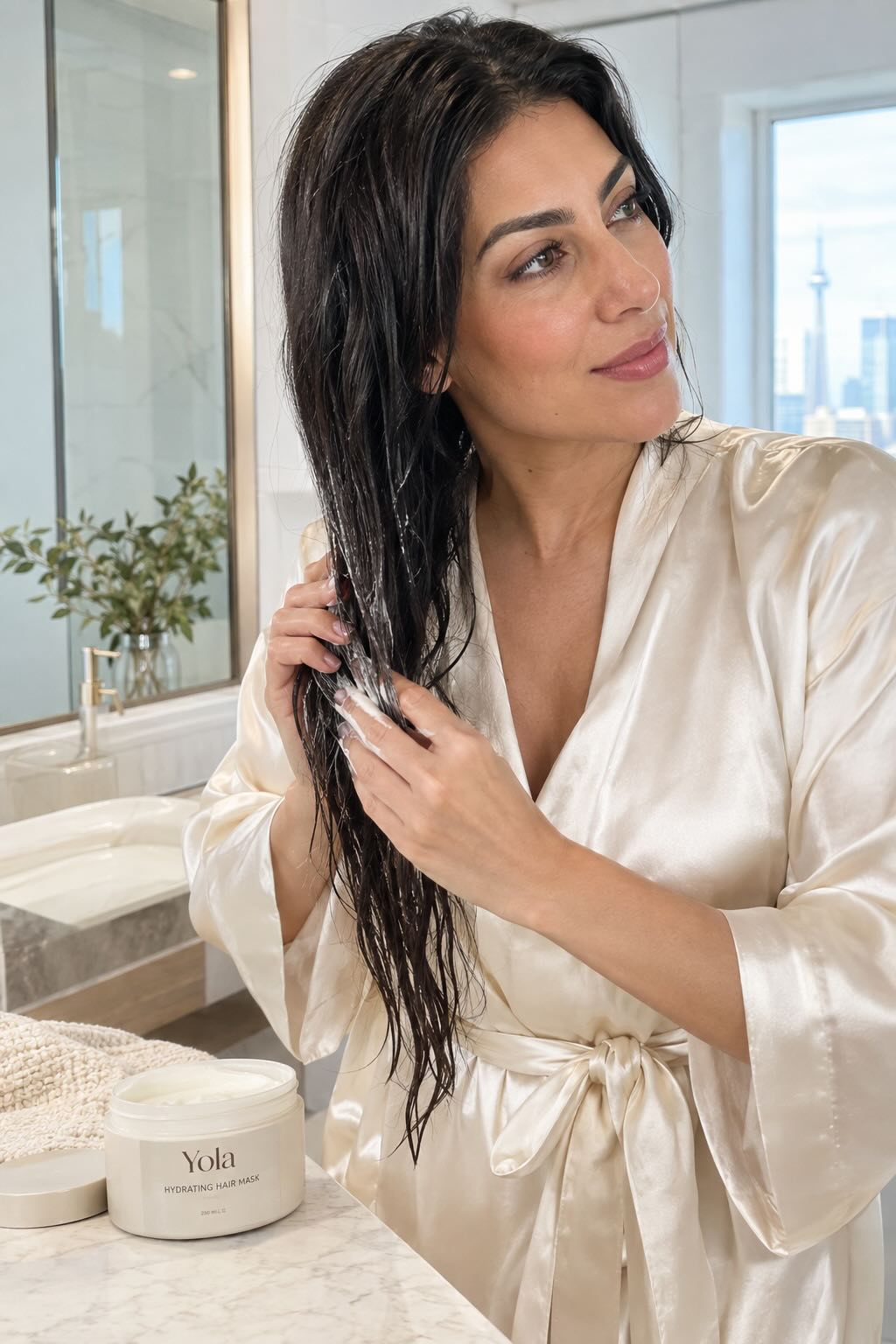
Step 3: Focus on the lengths and ends
Apply the mask from the mid-lengths to the ends. Avoid the scalp unless it is very dry.
Step 4: Comb through gently
Use a wide-tooth comb to distribute the product evenly.
Step 5: Leave it on as directed
Follow the time on the label. Some masks work in a few minutes. Others are designed for 10–20 minutes.
Step 6: Rinse thoroughly
Rinse with lukewarm or cool water to help the hair feel smooth.
Step 7: Follow with your usual routine
You can use leave-in conditioner, heat protectant, and styling products as usual.
Masks for Different Hair Types
Fine hair
Choose a lightweight mask. Avoid very rich formulas that can flatten roots.
Thick or coarse hair
You may tolerate richer masks better. Focus on the driest areas.
Curly and wavy hair
Look for moisture-rich masks that support curl definition and reduce frizz.
Coily and textured hair
Choose deeply hydrating masks and consider protective styling after use.
Colour-treated or bleached hair
Use colour-safe masks and avoid overly harsh formulas. Strengthening masks can be useful if hair feels weak.
Oily roots, dry ends
Apply mask only to the lengths and ends. Keep it away from the scalp.
How a Mask Fits Into a Winter Routine
A simple winter routine with a mask might look like this:
Use a gentle shampoo suited to dry or damaged hair.
Condition every wash.
Use a mask once a week.
Apply leave-in conditioner before styling.
Protect hair from cold, wind, and friction.
Reduce unnecessary heat styling.
Trim dry ends regularly.
A biotin shampoo Canada formula can fit into this routine if your hair feels fragile or fine, as long as you balance it with moisture support.
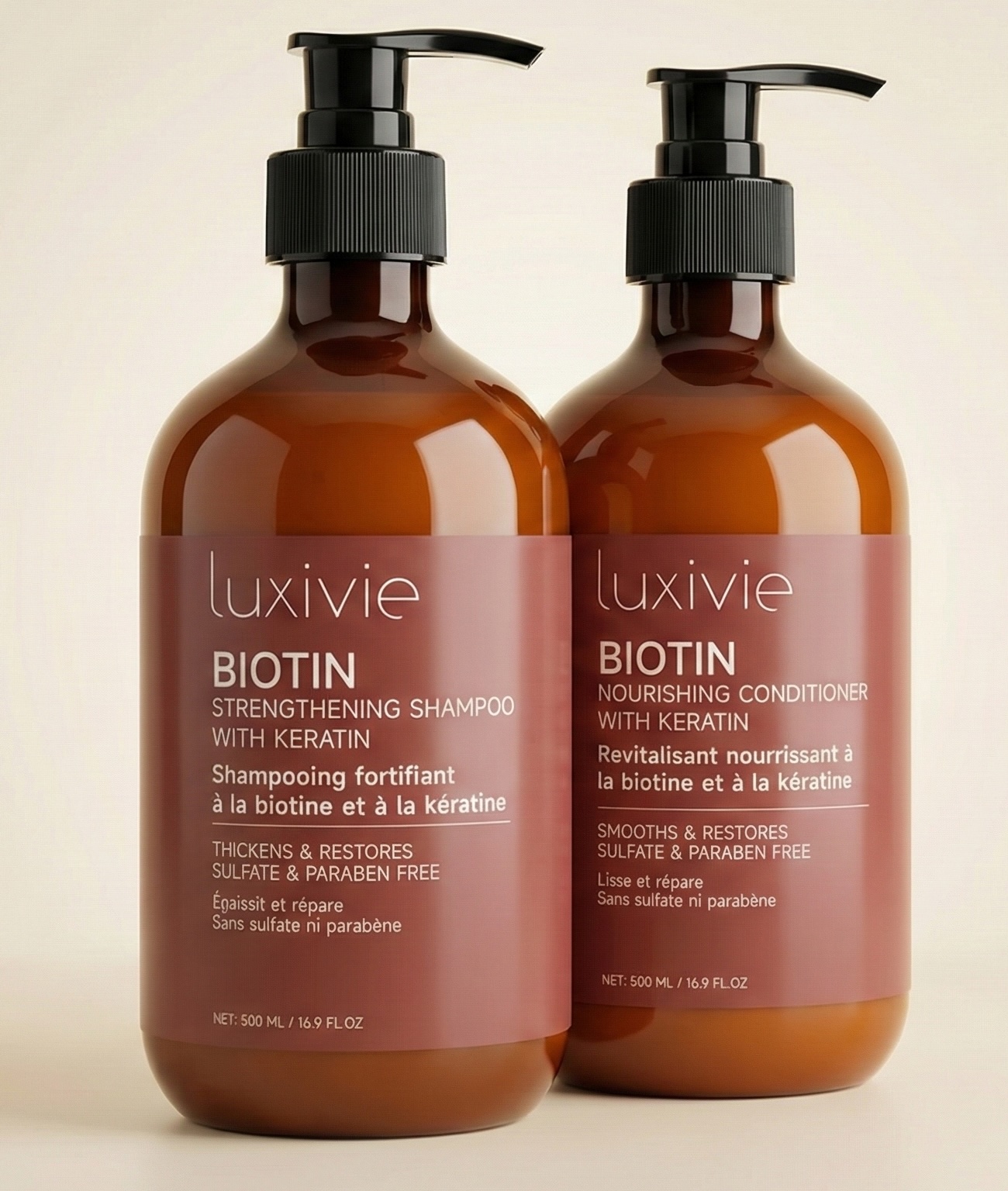
Luxivie Biotin & Keratin Shampoo & Conditioner Set for Dry & Damaged Hair — Strengthening & Smoothing Care
Care for dry, damaged-looking hair with a strengthening and smoothing duo. The shampoo gently cleanses while helping hair look fuller and more polished. The conditioner softens and smooths for easier detangling and improved manageability, leaving hair feeling soft and refreshed without weighing it down.
Shop Now on AmazonFAQ
How often should I use a hair mask?
Most people benefit from once a week or every other week, depending on how dry or damaged their hair feels.
Can I use a mask instead of conditioner?
No. A mask is an extra treatment, not a replacement for regular conditioner.
What is the best mask for dry, damaged hair?
Choose based on your hair type. Dry hair often needs moisture masks, while weak, overprocessed hair may benefit from strengthening masks.
Can I use a mask if I have fine hair?
Yes. Choose a lightweight formula and apply it only to the lengths and ends.
Should I use heat with a hair mask?
Some masks work better with gentle heat, such as a warm towel. Follow the product instructions.