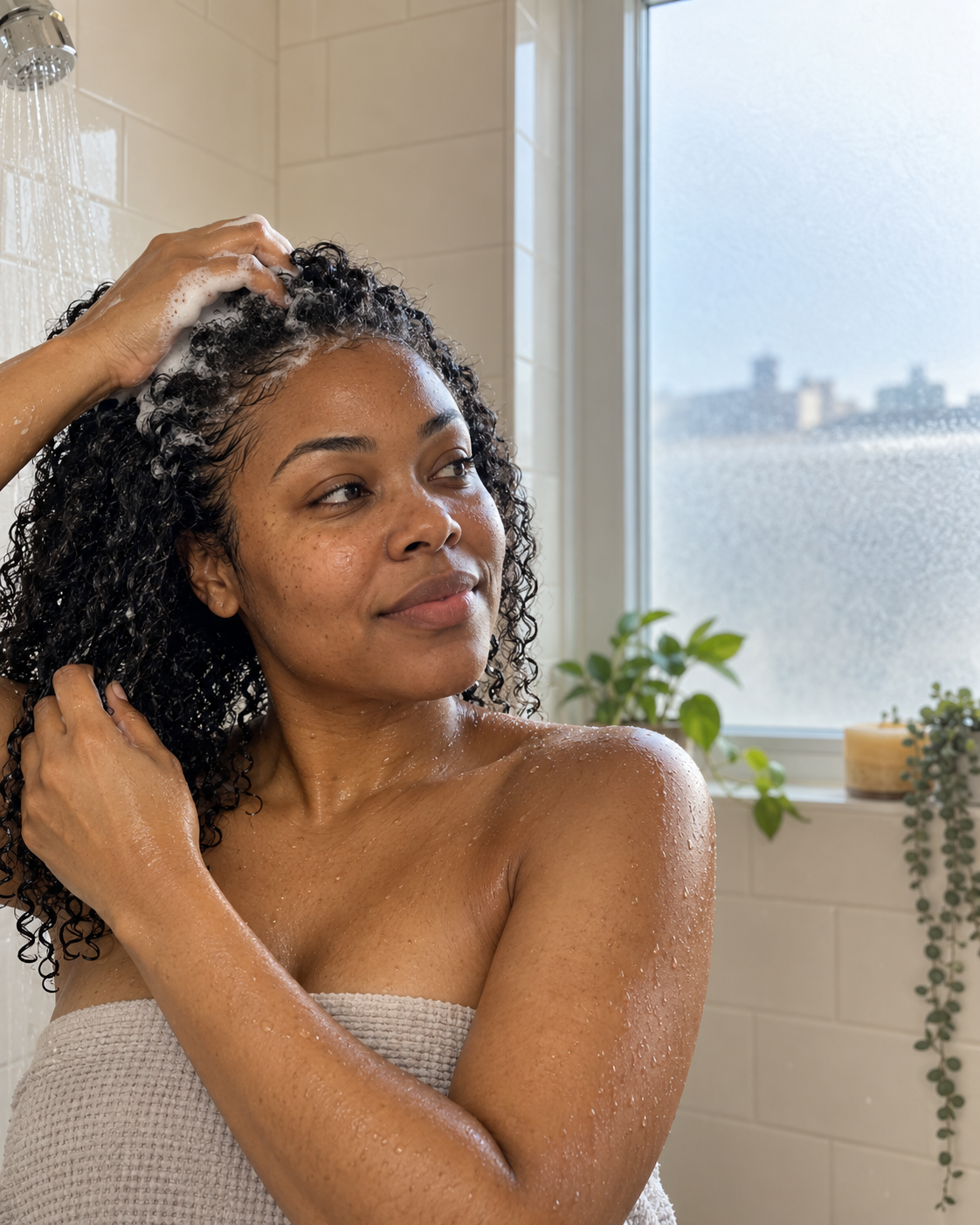

How Often Should You Wash Fine, Oily Hair?
Fine, oily hair can look ready for another wash sooner than other hair types. The roots may lose lift by the end of the day, strands can begin to separate around the part, and dry shampoo may provide only a temporary refresh. At the same time, frequent washing can leave long, coloured or heat-styled ends feeling dry if the cleanser or technique does not suit them.
So, how often should you wash fine, oily hair? There is no universal number. Daily washing can be appropriate for some people, while every second day or a flexible schedule works better for others. The right frequency keeps the scalp comfortable and the roots fresh without making the lengths unnecessarily rough.
Instead of trying to follow a rule from social media, build a schedule around your scalp, activity, styling products, texture and the formula you use.
Why Fine Hair May Look Oily Quickly
Fine hair describes the diameter of each strand. Because the strands are narrow, even a moderate amount of scalp oil can make them group together. This reduces airy separation and visible root lift.
Straight fine hair may show oil quickly because sebum can move along the strand relatively easily. Fine waves, curls and coils can also have oily roots, although the lengths may remain dry and require more conditioning.
How oily hair looks is not a simple measure of cleanliness. Lighting, a close part, humid weather, exercise, hats, styling products and repeated touching can all affect the appearance of the roots.
Understanding the difference between fine hair and thin hair is also important. Washing can improve separation and visible volume, but it does not change hair density or treat a medical cause of thinning.
Is It Bad to Wash Oily Hair Every Day?
Not necessarily. Daily washing may suit someone whose scalp becomes oily within 24 hours, who exercises frequently, wears close-fitting headwear or simply prefers freshly washed hair.
Frequency alone does not determine whether a routine is gentle. The formula, amount, water temperature, shampoo placement, conditioning and handling all matter.
A daily routine may be comfortable when:
The shampoo cleans effectively without leaving the scalp tight
The lengths remain soft and manageable
Conditioner is applied according to texture and dryness
The hair is not scrubbed or detangled roughly
Heat styling is controlled
The routine fits the person’s activity and preferences
Frequent washing with a cleanser that feels too strong may leave the scalp uncomfortable or the lengths dry. That does not mean daily washing automatically makes the scalp produce more oil. The roots can return to their normal oily pattern even when the lengths feel over-cleansed.
How to Find Your Best Wash Frequency
Begin with your current pattern and make small adjustments. Do not force a dramatic change from daily washing to once a week.
Step 1: Define what “ready to wash” means for you
Useful signals include:
The scalp feels oily, sweaty or uncomfortable
The roots look separated or flat beyond what styling can refresh
Dry shampoo or root powder has accumulated
The hair carries smoke, strong odours or environmental residue
Exercise or headwear has left the scalp damp
The hairstyle no longer responds to a light refresh
Do not wait for the scalp to become very uncomfortable just to meet an arbitrary schedule.
Step 2: Observe two normal weeks
Track when you wash and what happened beforehand. Note workouts, hats, humid days, dry-shampoo use and heavy styling products.
You may discover that the schedule is not simply “every day” or “every other day.” It may be daily after workouts, every second day during quiet weeks and more frequent during humid weather.
Step 3: Assess the scalp and lengths separately
After each wash, ask:
Does the scalp feel clean and comfortable?
Do the roots regain movement?
Do the ends feel flexible or rough?
Does conditioner improve the lengths without flattening the roots?
Does the hair remain coated even after washing?
If the scalp feels good but the ends are dry, the frequency may be fine while the technique or conditioning needs adjustment.
Step 4: Change one factor at a time
Before reducing wash frequency, try a smaller shampoo amount, lower water temperature, better conditioner placement or less heat on the ends. Before increasing frequency, check whether product buildup, not natural oil, is making the roots feel coated.
Three Flexible Schedules to Try
These are starting frameworks, not prescriptions.
Option 1: Daily washing
Daily washing may fit very oily roots, frequent exercise, daily hat use or a preference for a fresh morning style.
To make it more comfortable:
Apply it mainly to the scalp.
Massage gently with fingertips.
Let diluted lather move through the ends during rinsing.
Condition the mid-lengths and ends.
Blot rather than rub the hair.
Use a heat protectant if blow-drying or styling with heat.
The Luxivie Rosemary Mint Shampoo & Conditioner Set is the most relevant current Luxivie option for fine hair with oily roots. The shampoo can support fresh-feeling cleansing, while conditioner placement can be adjusted to keep the lengths manageable.
Option 2: Every second day
An alternate-day schedule often works for fine hair that looks fresh through the first day and becomes oily during the second.
On the non-wash day, begin with low-product refreshing:
Change the part or gently lift the roots
Restyle only the fringe or front section if needed
Use a small amount of dry shampoo according to its directions
Avoid adding oil or rich leave-in near the scalp
Choose a loose style that works with the current texture
If refreshing requires several layers of powder or spray, washing may be the lighter option.
Option 3: A responsive schedule
A responsive schedule changes with life. You might wash after a workout on Monday, skip Tuesday, wash Wednesday evening before an event and wash more often during a humid weekend.
This approach is useful because oily hair does not behave identically every day. It also avoids turning an average interval into a strict rule.
How Workouts Affect Fine, Oily Hair
Sweat is not the same as sebum, but both can leave roots damp, flat or uncomfortable. The right response depends on the activity and how the scalp feels afterward.
After light activity
If the scalp is only slightly damp and still comfortable, allow it to dry, reposition the roots and decide whether washing is needed.
After a sweaty workout
Washing may be the simplest reset, particularly if the scalp remains damp or styling products were already present. You can focus shampoo on the scalp and protect the lengths with targeted conditioner.
If two showers happen in one day
Not every shower requires a full shampoo. If the scalp was already washed and does not feel oily or coated, you can keep the hair dry or rinse according to your texture and preference. If it is sweaty and uncomfortable, another gentle cleanse may be appropriate.
Avoid using dry shampoo on heavily damp roots. Let the scalp and hair dry as directed before applying any powder or aerosol product.
How Dry Shampoo Fits Into the Schedule
Dry shampoo can temporarily refresh the appearance of roots by absorbing oil. It can be useful when you want to extend a style or do not have time for a full wash.
It does not remove oil and residue through water-based cleansing. Repeated applications can contribute to a coated feeling, especially on fine hair.
Use it intentionally:
Apply only where needed.
Follow the product directions.
Allow it to settle for the recommended time.
Distribute gently without aggressive brushing.
Avoid automatically adding another layer each day.
Wash when the roots no longer feel comfortably refreshable.
If hair looks oily again shortly after dry shampoo, do not interpret that as failure or a need for a much heavier layer. The product may have reached the limit of what it can cosmetically refresh.
Product Buildup Can Change the Answer
Fine hair that feels oily may actually have a mixture of natural sebum and product residue. Dry shampoo, root spray, mousse, conditioner, oils and incomplete rinsing can reduce movement.
Before washing more frequently, ask whether the hair feels slick or waxy, powdery or stiff. Review how many products touch the roots and whether normal shampooing restores a clean feel.
If residue is the main issue, simplify the routine. An occasional clarifying shampoo may be useful when everyday cleansing no longer removes accumulated product, but use it according to need and label directions rather than a rigid schedule.
How to Wash Fine, Oily Hair Without Drying the Ends
Saturate fully
Fine hair can still be dense. Give water time to reach the scalp before applying shampoo.
Use several small placements
Distribute shampoo at the hairline, sides, crown and nape. This supports even cleansing and may reduce the amount required.
Massage gently
Use fingertips rather than nails. Avoid piling the lengths on top of the head, which can increase tangling.
Shampoo twice only when useful
A second light cleanse can help after heavy dry shampoo, significant sweat or several days of styling product. If one thorough wash works, stop there.
Rinse thoroughly
Lift sections so water reaches the crown, nape and behind the ears. Incomplete rinsing can make freshly washed fine hair feel heavy.
Condition strategically
Start with the mid-lengths and ends if the roots flatten easily. Curly or coily fine hair may need conditioner closer to the roots, so adjust placement for texture and detangling needs.
What If Daily Washing Makes the Ends Feel Dry?
Dry ends do not automatically mean the scalp should be washed less often. Try separating scalp cleansing from length care.
Keep shampoo concentrated at the scalp
Use comfortably warm rather than very hot water
Apply conditioner to dry areas at every wash if needed
Reduce rough towel-drying
Detangle from the ends upward
Use controlled heat and heat protection
Apply a very small amount of leave-in or oil only to the ends
Trim split ends when needed
If fine hair becomes weighed down by rich products, use smaller amounts rather than abandoning conditioner.
What If the Scalp Feels Tight After Washing?
Tightness can signal that the formula, amount, frequency or water temperature does not suit the scalp.
Try:
Using less shampoo
Avoiding very hot water
Reducing unnecessary double cleansing
Switching from frequent clarifying to an everyday shampoo
Rinsing completely
Avoiding vigorous scratching
If discomfort persists or is accompanied by visible redness, pain or unusual flaking, consult a qualified healthcare professional. Do not assume every scalp symptom is caused by washing frequency.
Washing Fine, Oily Hair Across Canadian Seasons
Summer
Heat, humidity, activity and sweat may make roots feel oily sooner. A more frequent schedule may be comfortable. Keep styling layers light and wash after swimming according to the exposure and how the hair feels.
Autumn
Cooler weather may reduce sweating, but hats and changing routines can flatten roots. Reassess dry-shampoo use before automatically changing shampoo.
Winter
The scalp may remain oily while indoor heating, cold air and coat friction leave the ends dry. Continue cleansing the scalp as needed and increase targeted conditioning on the lengths rather than coating the roots.
Spring
Rain, changing humidity and increased outdoor activity can make the ideal interval less predictable. A responsive schedule works well during transitions.
How Hair Texture Changes the Schedule
Fine, straight hair
Oil may become visible quickly. Daily or alternate-day washing can be practical if the formula and technique remain comfortable.
Fine, wavy hair
Wash according to scalp needs while preserving wave definition with controlled conditioning and minimal root product.
Fine, curly or coily hair
The roots can be oily while the lengths need significant moisture and detangling support. Frequency should respect scalp comfort, but conditioner placement may extend closer to the roots. Section-by-section washing can clean the scalp without rough handling.
Colour-treated fine hair
Processed lengths may feel dry even when the scalp is oily. Check whether products are labelled as suitable for colour-treated hair and reduce unnecessary high heat. Do not assume sulfate-free alone guarantees colour suitability or gentle performance.
Signs Your Schedule Is Working
A suitable schedule does not have to produce perfect hair every day. Look for a sustainable pattern:
The scalp feels comfortable between washes
Roots become oily on a reasonably predictable timeline
Normal washing restores freshness and movement
The lengths remain manageable
You do not need several layers of dry shampoo to reach the next wash
The routine fits work, exercise and weather
You can adjust without feeling that you have broken a rule
Signs to Adjust the Routine
Consider changing one variable if:
Roots remain coated immediately after washing
The scalp repeatedly feels tight or uncomfortable
The ends become rougher as wash frequency increases
Dry shampoo is layered for several days and stops refreshing effectively
Conditioner consistently flattens the roots
The routine requires excessive heat styling after every wash
The change may involve formula, amount, placement or technique—not necessarily frequency.
Common Myths About Washing Fine, Oily Hair
“You must train oily hair to go longer between washes”
There is no universal cosmetic rule that delaying shampoo will make every scalp produce less oil. Some people enjoy less frequent washing; others remain more comfortable with regular cleansing.
“Daily washing always damages hair”
Daily washing is not automatically damaging. A routine can become drying when the formula, technique, heat or handling does not suit the hair.
“If hair gets oily fast, the shampoo is not working”
Shampoo removes the oil present during washing. It does not permanently switch off normal sebum production.
“More lather means cleaner hair”
Lather is part of the product experience, but its amount is affected by formula, oil, water and product quantity. It is not a precise measure of cleanliness.
“Conditioner should be avoided on oily hair”
Oily roots and dry or tangle-prone lengths can exist together. Conditioner remains useful when the amount and placement fit the hair.
Frequently Asked Questions
Should I wash fine, oily hair every day or every other day?
Either can work. Choose daily washing when the scalp becomes oily or uncomfortable within a day and the routine leaves the hair manageable. Choose every other day when the roots remain comfortable and can be refreshed without heavy product layering.
Can washing too often make my scalp oilier?
Do not rely on the claim that the scalp automatically compensates by producing more oil. An unsuitable cleanser may leave the scalp uncomfortable and the lengths dry, while the roots still return to their usual oil pattern.
Is it okay to use dry shampoo every day?
Follow the product directions. Repeated daily layering may contribute to residue on fine hair, so return to water-based cleansing when the roots feel coated or refreshing stops working.
Should I shampoo twice every time?
No. A second cleanse may help after heavy residue, sweat or dry shampoo, but one thorough wash is sufficient when it leaves the scalp clean and comfortable.
Which Luxivie products suit fine, oily hair?
The Luxivie Rosemary Mint Shampoo & Conditioner Set is the strongest fit among Luxivie’s current products. Use shampoo mainly at the scalp and conditioner according to the needs of the lengths. The CTA should focus on fresh-feeling cleansing, lightweight care and manageability—not changing oil production.
The Bottom Line
Wash fine, oily hair as often as needed to keep the scalp comfortable and the roots fresh. For some people, that means daily. For others, every second day or a responsive schedule works better.
The most important test is how the entire routine performs: shampoo formula, amount, placement, rinsing, conditioning, drying and product buildup. The Luxivie Rosemary Mint Shampoo & Conditioner Set provides a practical foundation for frequent or flexible washing—cleanse the scalp, condition the lengths and adjust the interval to real life rather than a universal rule.

Luxivie Rosemary Mint Shampoo & Conditioner Set for Oily Hair — Gentle Cleansing & Lightweight Hydration
Refresh oily roots without weighing down your hair. This Rosemary Mint duo gently cleanses and refreshes while the lightweight conditioner softens and hydrates without leaving hair feeling heavy. Hair feels fresh, smooth and manageable, with a fuller-looking finish.
Shop Now on Amazon.ca