
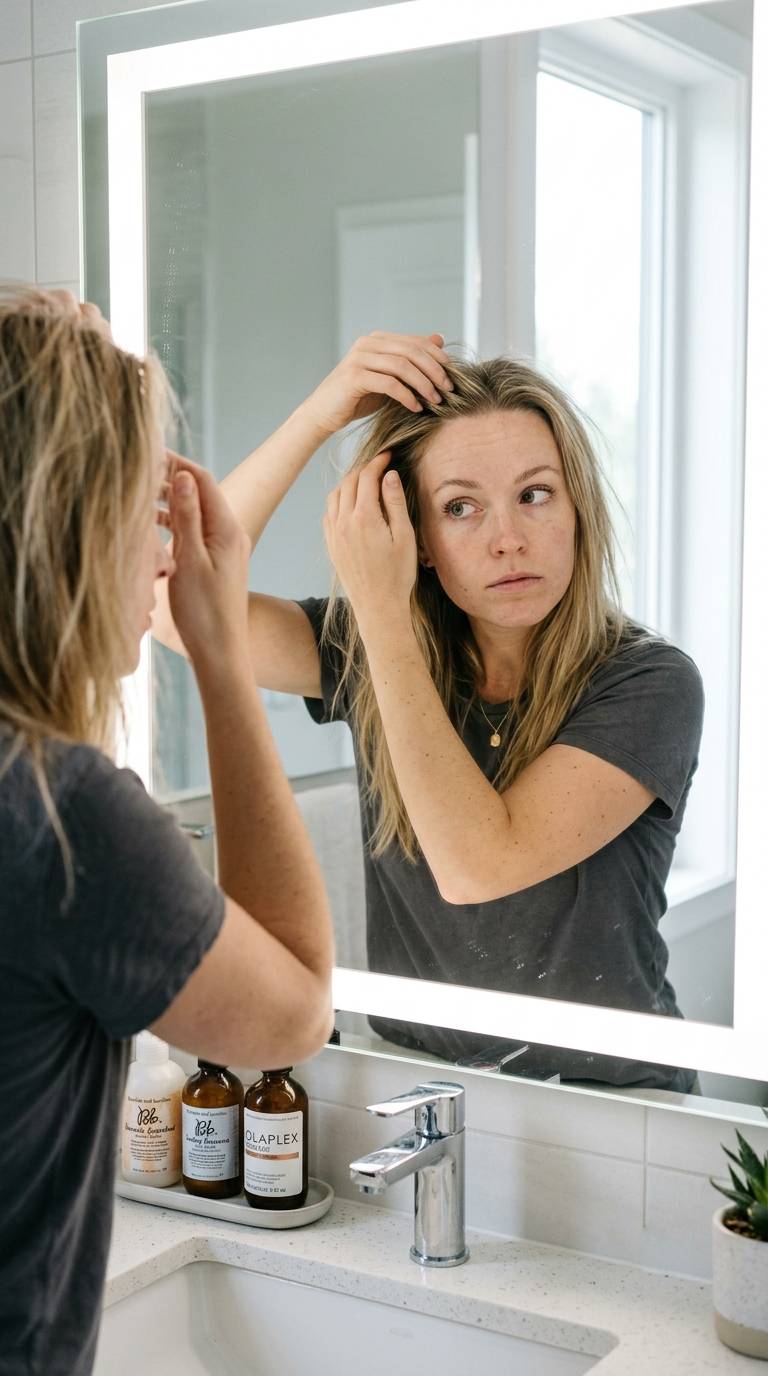
Why Does My Scalp Get Oily So Quickly?
If your hair feels greasy soon after washing, you are not imagining it. A scalp that gets oily quickly is one of the most common hair concerns for people in Canada, especially when weather, stress, product buildup, and scalp habits all work together. The good news is that an oily scalp is usually manageable once you understand what is causing it.
The key is not to strip your scalp aggressively. Instead, the goal is to create a clean scalp routine that removes excess oil without triggering more imbalance.
What Causes the Scalp To Get Oily Fast?
Your scalp naturally produces sebum, which is the oil that helps protect the skin and hair. The problem starts when sebum builds up too quickly or spreads through the roots so heavily that hair starts looking flat, sticky, or greasy. For some people, this happens because of genetics. For others, it is linked to washing habits, styling products, or environmental stress.
In Canada, seasonal changes can make oiliness more noticeable. Indoor heating, hats, humidity, and frequent temperature shifts can all affect how the scalp feels from day to day.
Common Signs of an Oily Scalp
Hair looks greasy within a day or two of washing.
Roots feel flat even when the ends are dry.
Hair separates easily into oily strands.
The scalp feels heavy or coated.
Dry shampoo stops working as well as it used to.
These signs often mean your routine needs better cleansing balance.
Why Overwashing Can Backfire
Many people assume that oily hair should be washed constantly with strong shampoo. In reality, harsh cleansing can sometimes make the scalp feel more stripped, which may encourage more oil production. That is why choosing the right oily hair shampoo Canada shoppers can rely on matters more than washing aggressively.
A balanced shampoo for oily scalp should clean the roots, remove residue, and still leave the scalp comfortable.
Product Buildup and Oily Hair
Heavy conditioners, silicone-rich products, leave-ins, and styling creams can sit on the scalp and make hair look greasy faster. Even if your hair is not naturally very oily, buildup can create the same effect.
If your hair feels weighed down after washing, you may need a cleaner rinse routine and a lighter formula.
Why a Clean Scalp Routine Helps
A clean scalp routine focuses on removing excess oil, buildup, and sweat without making the scalp feel tight or dry. This is especially important if you use a lot of styling products or live in a city environment where pollution and sweat can collect at the roots.
A good routine may include:
A lightweight shampoo for oily scalp.
Conditioner applied only to the ends.
Occasional clarifying treatment.
Minimal scalp product layering.
Rosemary Mint Shampoo and Oily Roots
Many Canadian shoppers look for rosemary mint shampoo because it gives the scalp a fresh, cool, clean feeling. Brands in Canada offer rosemary mint formulas specifically designed to remove buildup and refresh oily roots while still feeling pleasant to use.
If your hair gets oily quickly, rosemary mint shampoo can be a useful option for adding freshness to your wash routine.
When Oily Hair Needs More Attention
If your scalp suddenly becomes much oilier than usual, or if you also notice irritation, flaking, or hair shedding, it may be worth speaking to a healthcare professional. A blog can help with routine changes, but it cannot diagnose medical concerns.
FAQ
Why does my scalp get oily so fast even after washing?
Your scalp may be producing oil naturally, or buildup and harsh washing habits may be making the grease appear sooner.
Is shampoo for oily scalp better than regular shampoo?
Yes, if it is designed to cleanse roots more effectively without leaving heavy residue behind.
Does rosemary mint shampoo help oily hair?
It can, especially if you want a refreshing, clarifying wash that helps the scalp feel clean and light.

Luxivie Rosemary Mint Shampoo & Conditioner Set for Oily Hair — Gentle Cleansing & Lightweight Hydration
Refresh oily roots without weighing down your hair. This Rosemary Mint duo gently cleanses and refreshes while the lightweight conditioner softens and hydrates without leaving hair feeling heavy. Hair feels fresh, smooth and manageable, with a fuller-looking finish.
Shop Now