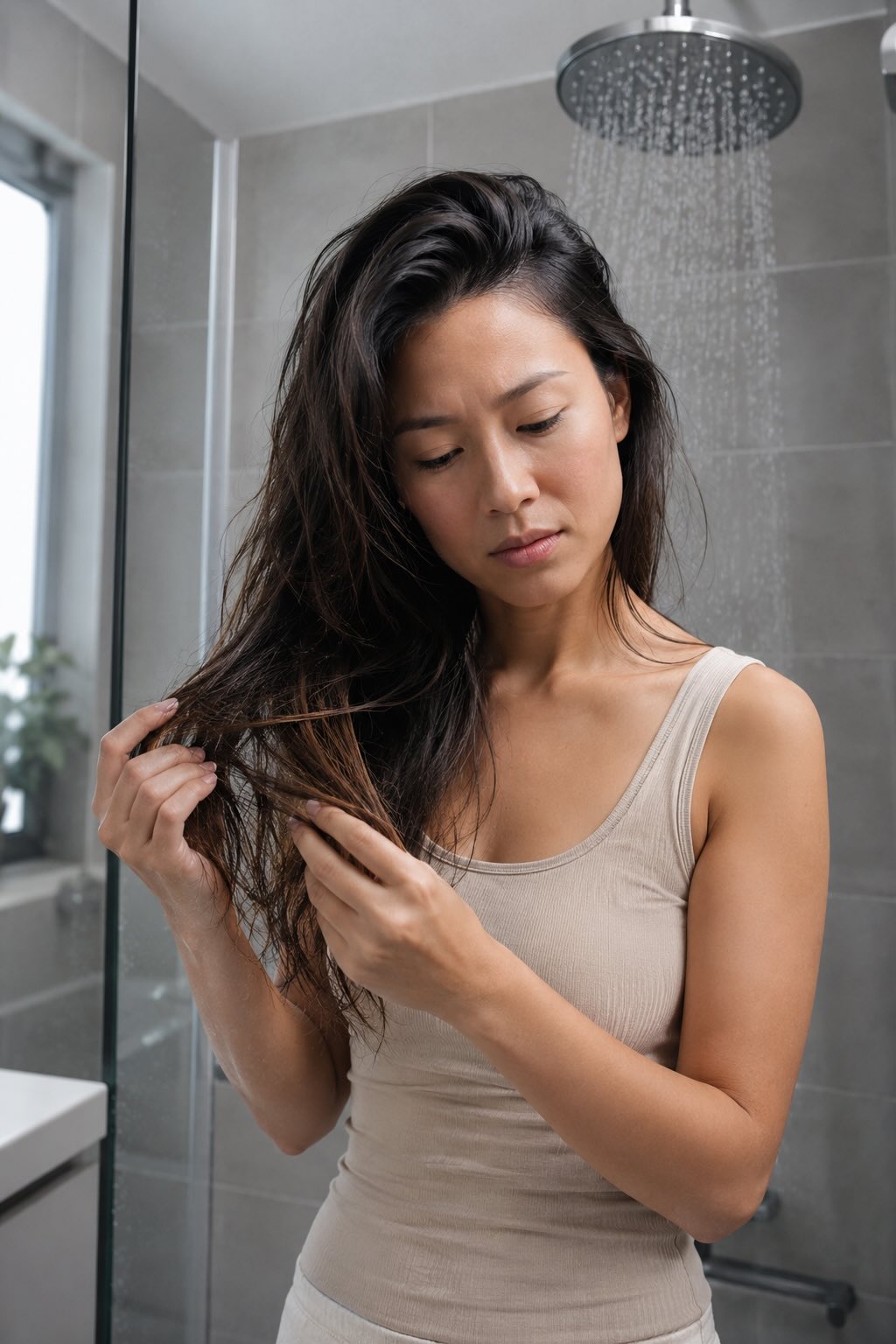

How Seasonal Changes Affect Oily Hair in Canada
Canadian weather can have a real impact on how oily your scalp feels. In summer, humidity and heat can make roots feel greasy faster. In winter, hats, indoor heating, and dry air can also change how the scalp behaves.
If your hair seems oilier at certain times of the year, that is not unusual.
Summer Can Increase Oiliness
Heat and humidity can encourage your scalp to produce more oil, while sweat can make the roots feel heavier. If you are active outdoors or spend time in warmer indoor spaces, your hair may look greasy faster than usual.
Winter Can Change the Balance Too
Winter does not always make hair less oily. Hats, scarf friction, indoor heating, and a change in washing habits can all affect the scalp. Some people notice more buildup because they wash less often, while others find their roots still get greasy but their ends feel drier.
Spring and Fall Transition Periods
Season changes can throw off your routine. If your scalp feels different as the weather shifts, it may be time to adjust how often you wash and what kind of shampoo you use.
How to Adjust Your Routine
Use a shampoo for oily scalp that matches the season.
Condition the ends lightly.
Wash more often when sweat or humidity is high.
Avoid heavy winter buildup from thick products.
Reset with a gentle clarifying wash when needed.
Why Canada Makes This More Noticeable
Because Canadian seasons can be so different, your scalp may respond differently throughout the year. A routine that works in January might not be ideal in July.
If you are shopping for oily hair shampoo Canada products, consider whether the formula works in both cold and warm conditions.
FAQ
Does weather affect oily hair?
Yes. Heat, humidity, hats, and indoor heating can all change oil production and buildup.
Why is my hair greasier in summer?
Sweat and humidity can make the scalp feel oilier.
Should I change shampoo with the seasons?
Sometimes. A seasonal adjustment can help balance your routine.
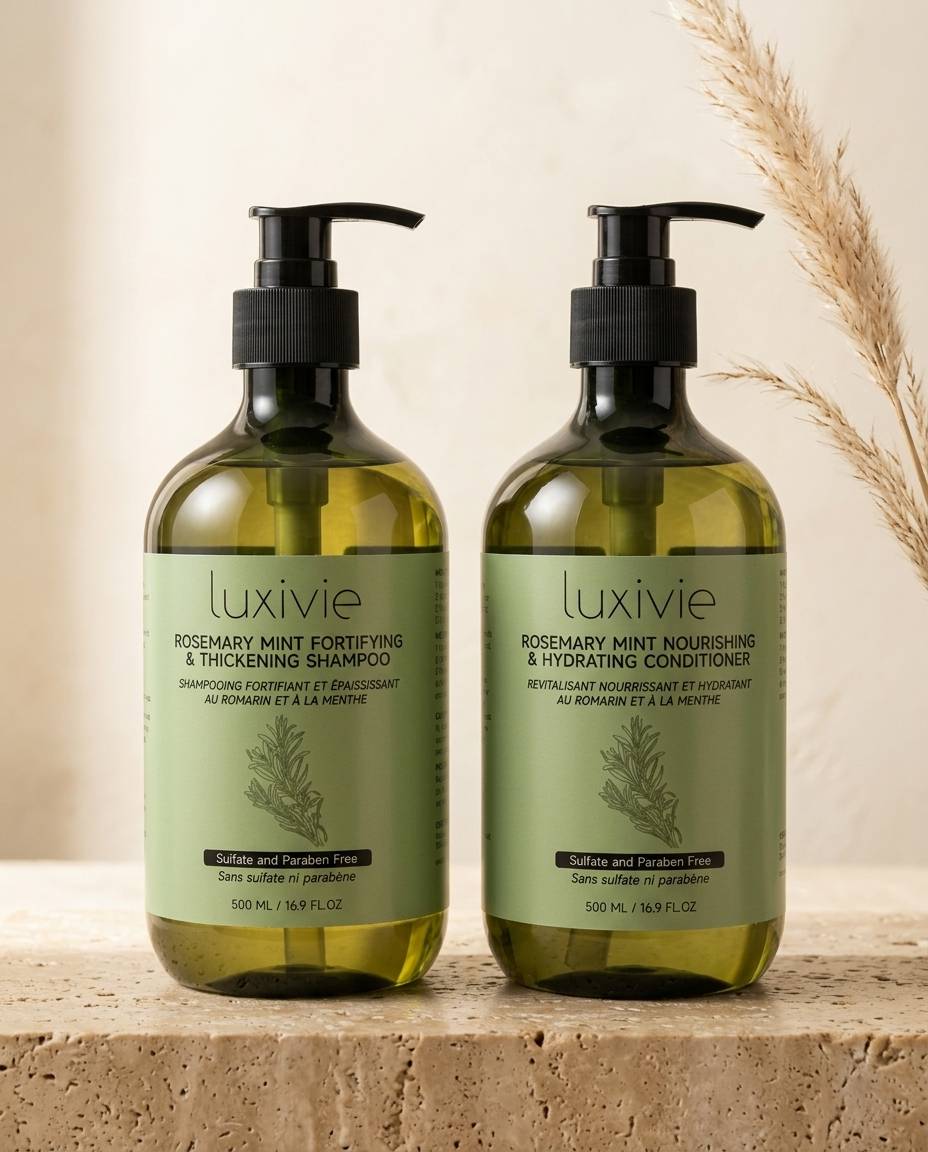
Luxivie Rosemary Mint Shampoo & Conditioner Set for Oily Hair — Gentle Cleansing & Lightweight Hydration
Refresh oily roots without weighing down your hair. This Rosemary Mint duo gently cleanses and refreshes while the lightweight conditioner softens and hydrates without leaving hair feeling heavy. Hair feels fresh, smooth and manageable, with a fuller-looking finish.
Shop Now