Why You Should Never Go Outside With Wet Hair in Winter
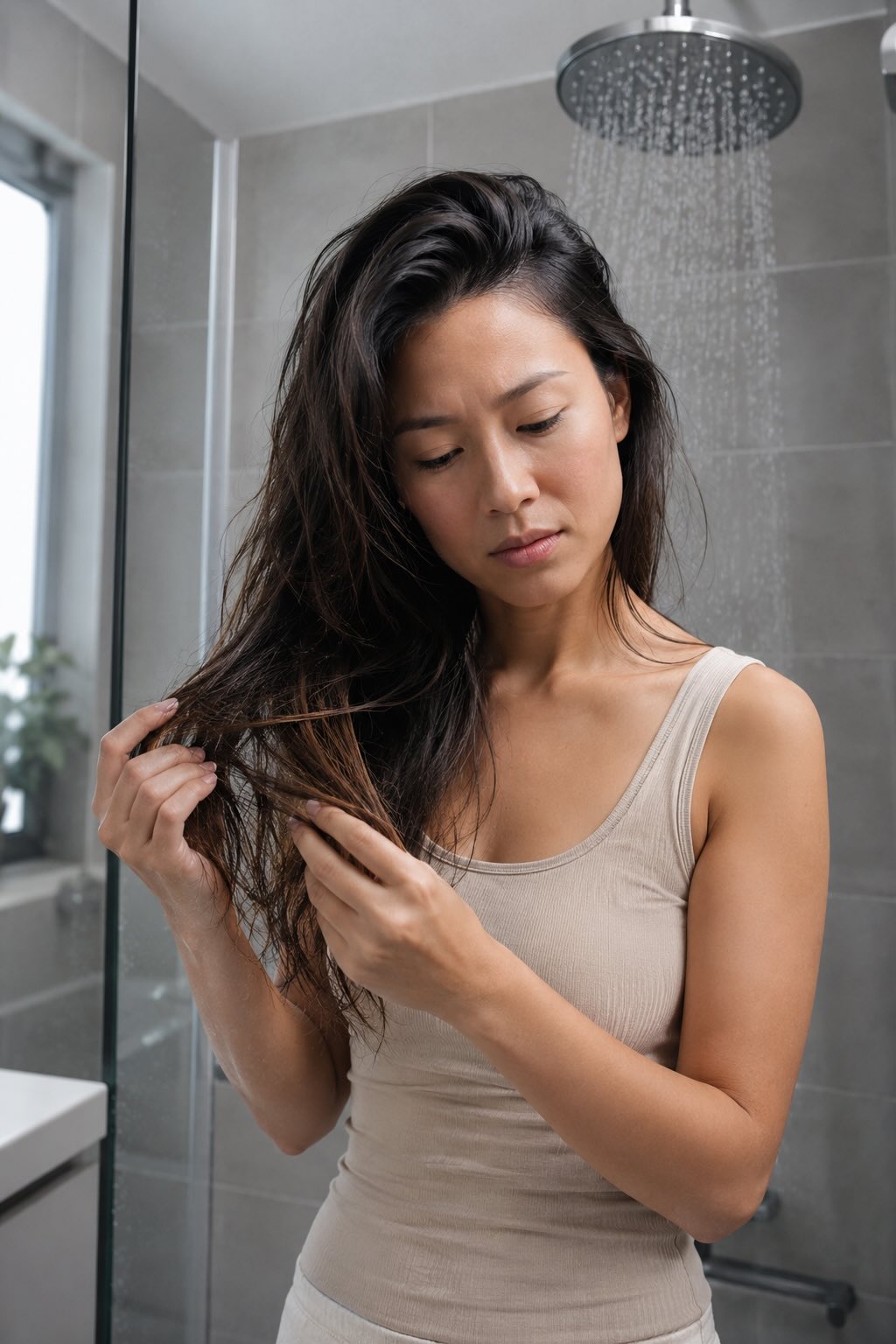
In Canadian winter, one of the most common hair-care mistakes is also one of the simplest to fix: going outside with wet or damp hair. It can feel harmless when you are rushing to work, school, or an errand. But stepping into freezing air with wet hair can leave your strands more vulnerable to breakage, dryness, frizz, and styling difficulty.
This does not mean you must wash your hair only at night or avoid washing altogether. It means your winter dry hair routine should include enough time for hair to dry before you put on a hat, scarf, or coat and head outdoors.
Why Wet Hair Is More Vulnerable
Hair is naturally more fragile when it is wet. The water inside the strand can temporarily change how the hair behaves. This makes it easier for the cuticle to lift and the strand to stretch more than usual.
When wet hair is exposed to:
Cold wind.
Freezing temperatures.
Tight hats.
Rough scarves.
Hoods and collars.
Repeated movement.
…it can become more prone to damage.
Canadian winter hair guidance frequently warns against going outside with wet hair because it can lead to breakage, increased dryness, flattened roots, and styling problems once the hair freezes or dries unevenly.
What Happens When Wet Hair Meets Cold Air
When wet hair is exposed to freezing or very cold air, the moisture in the strand can cool rapidly. This can make hair feel stiff, rough, or brittle. It can also cause the hair to dry unevenly, which may lead to frizz, tangles, and a less smooth finish.
You may notice:
Hair that feels crunchy or stiff outdoors.
Increased tangling once you come back inside.
Roots that dry flat and ends that feel dry.
More breakage when brushing later.
A rougher texture than usual.
Styles that do not hold as well.
Wet hair under a hat can also create creases, flattened roots, and uncomfortable scalp conditions as you move between cold outdoor air and warm indoor heating.
Why Hats Make the Problem Worse
Putting a hat over wet hair is one of the fastest ways to create winter hair stress. The hat traps moisture against the hair and scalp. As you move between cold and warm environments, that moisture can affect how the hair dries.
Common issues include:
Flattened roots that are hard to lift later.
Creases where the hat pressed against the hair.
Increased friction at the crown and hairline.
Tangling at the nape under scarves and collars.
Static once the hair finally dries.
A rough, dull finish.
For people with fine hair, curls, textured hair, colour-treated hair, or long hair, the effect can be especially noticeable.
How This Affects Dry and Damaged Hair
If your hair is already dry, colour-treated, heat-styled, or prone to breakage, going outside with wet hair can make those concerns more visible. Damaged hair is often more porous, which means it may absorb and lose moisture faster.
This can lead to:
More frizz.
More tangling.
Rougher ends.
Increased snapping while brushing.
Duller-looking hair.
Styles that fall apart more quickly.
A good damaged hair care routine should protect hair not only during washing and styling, but also during the transition from indoors to outdoors.
Better Winter Washing Habits
You do not have to stop washing your hair in the morning. You do need to plan your routine so your hair can dry before you leave.
Try these adjustments:
Wake up a bit earlier on wash days.
Use a microfiber towel to remove excess water quickly.
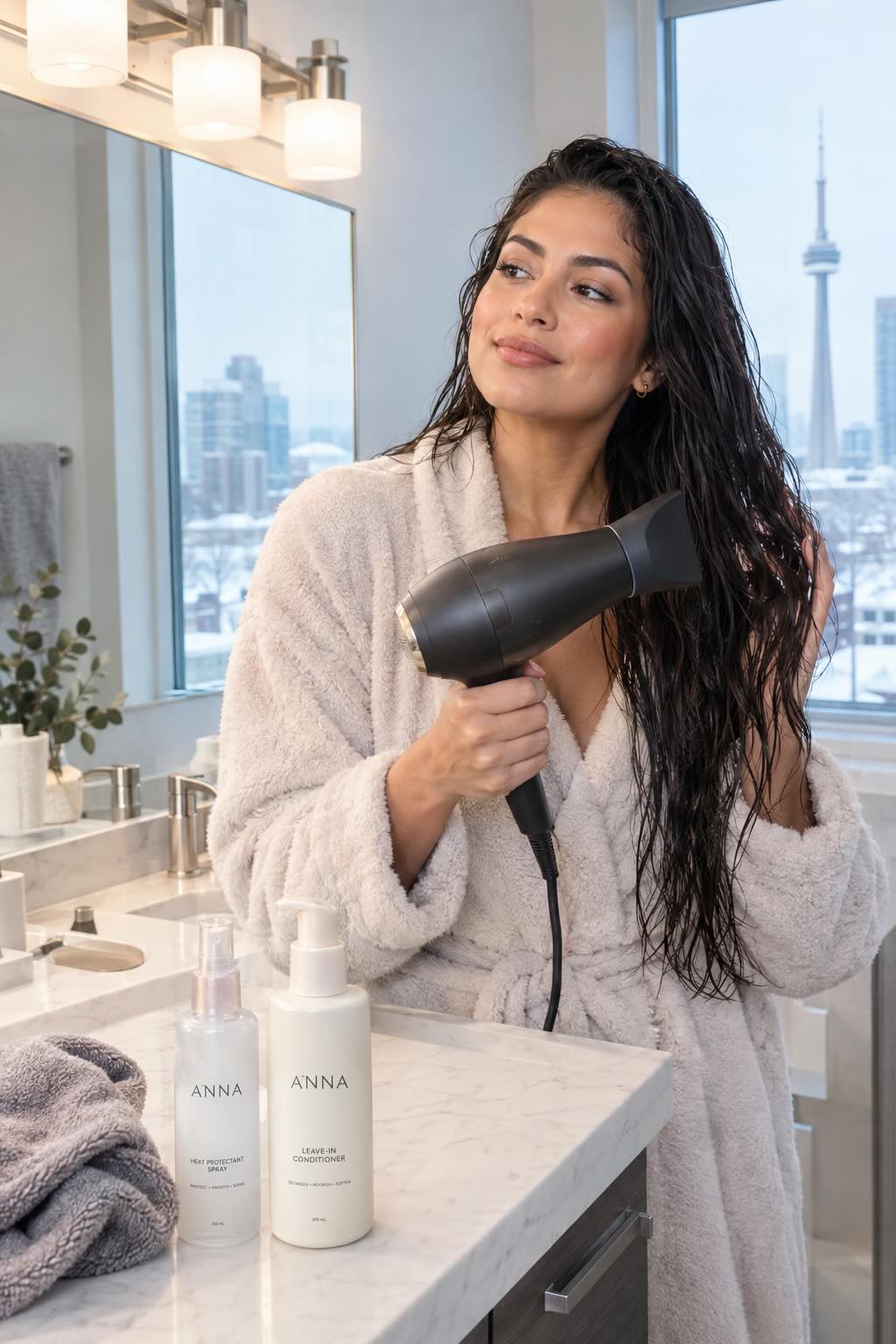
Let hair air-dry partway before blow-drying.
Use a diffuser on a low setting to speed up drying.
Focus heat on the roots first, where wetness lasts longest.
Keep leave-in and heat protectant products within reach.
Avoid putting on a hat until hair is fully dry.
If your schedule does not allow morning drying time, consider washing at night instead. Make sure hair is fully dry before sleeping to avoid friction against your pillow.
How to Dry Hair Safely in Winter
Drying your hair properly is just as important as avoiding cold exposure.
Blot, do not rub
Rubbing wet hair with a regular towel can rough up the cuticle. Instead, gently blot or squeeze out excess water with a microfiber towel or soft cotton T-shirt.
Use heat protectant
If you blow-dry, apply a heat protectant first. This helps reduce the risk of heat-related dryness and breakage.
Use moderate heat
You do not need the highest setting. Medium heat with steady movement is often enough to dry hair without over-stressing it.
Dry the roots first
Roots take the longest to dry. Once they are dry, you can reduce heat and focus on smoothing the lengths.
Let hair cool before styling
Allow hair to cool briefly before putting on a hat or scarf. This helps the style set and reduces flattening.
What If You Must Go Out With Damp Hair?
Life is not always predictable. If you must leave with slightly damp hair, take steps to reduce the risk.
Use a satin-lined hat to reduce friction.
Keep hair in a loose, low-tension style.
Avoid tight elastics or high buns.
Keep a small leave-in or anti-frizz product for touch-ups indoors.
Let hair finish drying once you are inside before restyling.
Avoid brushing aggressively while hair is still damp.
This is not ideal, but it is better than stepping into freezing air with soaking-wet hair and leaving it under a tight hat for a long period.
How This Fits Into a Winter Dry Hair Routine
A simple winter routine might look like this:
Wash with a gentle shampoo suited to dry or damaged hair.
Condition the lengths and ends.
Apply leave-in conditioner and heat protectant.
Dry hair fully before going outside.
Use a smooth-lined hat and scarf.
Refresh lightly indoors if needed.
Detangle gently at night.
Use a weekly mask for extra moisture support.
A keratin shampoo Canada formula may be useful if your hair feels rough, weak, or frizz-prone from winter exposure and styling.
If your hair feels fine, fragile, or less full after seasonal stress, a biotin shampoo Canada option can fit into a lightweight strengthening routine, balanced with moisture support.

Luxivie Biotin & Keratin Shampoo & Conditioner Set for Dry & Damaged Hair — Strengthening & Smoothing Care
Care for dry, damaged-looking hair with a strengthening and smoothing duo. The shampoo gently cleanses while helping hair look fuller and more polished. The conditioner softens and smooths for easier detangling and improved manageability, leaving hair feeling soft and refreshed without weighing it down.
Shop Now on AmazonFAQ
Is it really bad to go outside with wet hair in winter?
It can increase breakage, dryness, frizz, and styling difficulty, especially when combined with hats, scarves, and cold wind.
Can wet hair under a hat cause breakage?
Yes. Wet hair is more fragile, and friction from a hat can increase stress on the strands.
Should I wash my hair at night in winter?
If you cannot dry your hair fully in the morning, washing at night may be more practical. Just make sure hair is dry before sleeping.
Does this apply to all hair types?
Most hair types benefit from drying fully before going into freezing weather. Curly, textured, fine, colour-treated, and long hair may be especially affected.
Can I use a hat to help my hair dry faster?
No. Hats can trap moisture and create friction. It is better to dry hair fully before putting on winter accessories.