
How to Prevent Static Hair in Winter
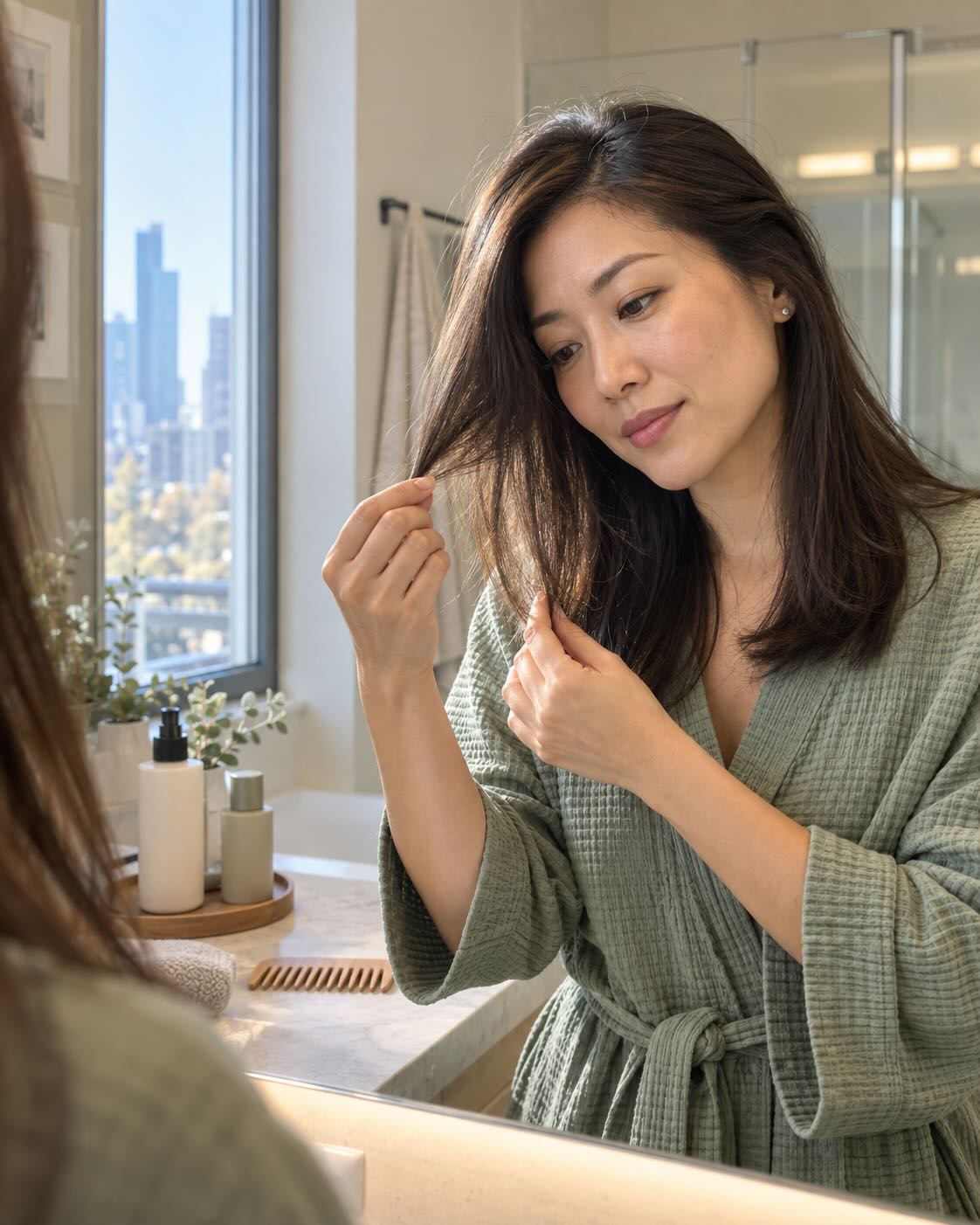
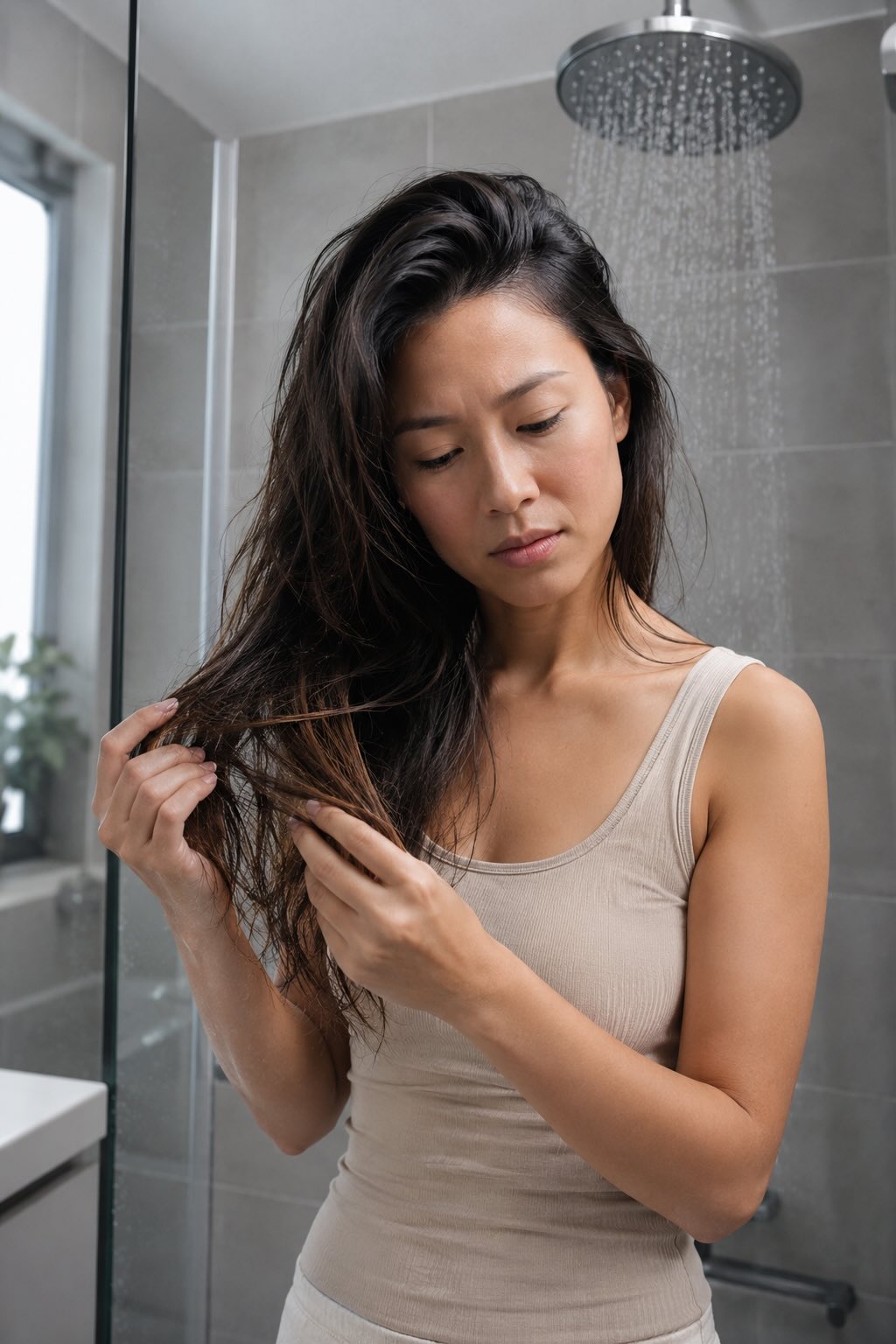
Static hair is one of the most frustrating parts of a Canadian winter. You may leave the house with smooth, styled hair and arrive at work, school, or an event with flyaways around your face, hair sticking to your sweater, and strands that seem impossible to control.
Static can happen to almost anyone, but it tends to be more noticeable if your hair is dry, fine, colour-treated, heat-styled, curly, textured, or already prone to frizz. It can also make damaged hair look rougher than it really is.
The good news is that winter static is manageable. You do not need to coat your hair in heavy oil or use stiff hairspray every day. The best approach is to reduce dryness, reduce friction, and use lightweight moisture in the right places.
Why Does Hair Get Static in Winter?
Static happens when hair develops an electrical charge. In simple terms, dry air and friction make it easier for strands to repel one another. That is why hair can lift away from the head, cling to clothing, or turn into a cloud of flyaways after you take off a hat.
Canadian winter creates the ideal environment for static because it often includes:
Cold, low-humidity outdoor air.
Dry indoor heating.
Wool hats and scarves.
Sweaters and coats that rub against hair.
Plastic brushes and combs.
Dry ends and damaged cuticles.
Regular blow-drying or flat-ironing.
When the air is dry, static charges do not dissipate as easily. If the hair itself is dry, the effect can become even more obvious. Winter beauty guidance regularly connects static with low humidity, dry indoor heating, and friction from hats, scarves, brushes, and synthetic materials.
Static Is Often a Sign of Dryness
Static does not always mean that your hair is severely damaged, but it can be a useful signal that your routine needs more moisture or less friction.
If you only get static once in a while after taking off a hat, a quick refresh may be enough. But if your hair is constantly static, dull, rough, tangled, or frizzy, your dry hair routine may need an update.
Look for these signs:
Hair sticks to your face, neck, or clothing.
Flyaways are concentrated around the crown.
Your ends look dry or dull.
Hair tangles more easily than usual.
Your hair feels rough after washing.
Your style loses smoothness quickly after going outdoors.
You need more hot tools to make hair look polished.
The goal is not to make hair heavy. It is to help it feel hydrated and protected enough that static has less chance to build.
Start With a Moisture-Supporting Wash Routine
Your shampoo and conditioner affect how your hair behaves long after wash day. If your shampoo is too harsh for winter, it may leave the hair feeling stripped and more vulnerable to frizz and flyaways.
A good frizzy hair shampoo should cleanse the scalp and hair without making the lengths feel rough. If your hair is colour-treated, dry, or heat-styled, look for a gentle formula that supports softness and manageability.
A keratin shampoo Canada formula can be useful if your hair feels rough, weak, or frizz-prone from styling and weather exposure. Keratin-focused products are commonly used to help hair feel smoother and more resilient, especially when damage or winter dryness makes the cuticle feel less polished.
However, shampoo is only one part of the routine. Conditioner matters just as much for preventing static.
Apply conditioner from the mid-lengths to the ends, where winter dryness usually shows up first. If your roots are fine or oily, keep conditioner away from the scalp and rinse thoroughly. This helps you get softness without flattening the hair.
Use Leave-In Moisture Instead of Heavy Oils
One of the biggest mistakes people make with static hair is applying too much oil or thick cream. Heavy products may temporarily flatten flyaways, but they can also leave fine hair greasy, limp, or coated.
Instead, try a lightweight leave-in product. Depending on your hair type, this may be:
A detangling spray.
A leave-in conditioner mist.
A light anti-frizz cream.
A lightweight serum.
A small amount of smoothing lotion.
A heat protectant with conditioning benefits.
Apply the product to damp hair after washing or to dry hair only where needed. For a quick static fix, place a very small amount of leave-in or serum on your hands, rub your palms together, and gently smooth over flyaways and dry ends.
Do not rub aggressively. Static-prone hair is often already dry or fragile, so rough handling can make the frizz worse.
Make Your Home Environment More Hair-Friendly
Your indoor environment matters more than many people realize. If your home is warm and the air feels dry, your hair may become static more easily even if you have not been outside.
A humidifier can help add moisture back into the air. It is not a miracle cure, but it may support a more comfortable environment for your skin, scalp, and hair.
You can also make small changes such as:
Avoiding extremely hot showers.
Letting hair air dry partway before blow-drying.
Using lower heat settings.
Keeping a lightweight leave-in product near your vanity.
Drinking water regularly as part of your overall routine.
Avoiding repeated brushing when hair is already dry and flyaway.
Several winter hair-care sources recommend addressing dry indoor air with a humidifier and pairing it with moisture-supporting hair care rather than relying only on quick styling fixes.
Choose Better Brushes and Combs
Some tools can make static worse. Plastic brushes and fine-tooth plastic combs may increase friction, especially on dry hair.
If static is a regular problem, try:
A wooden comb.
A wide-tooth comb.
A brush with natural bristles.
A metal comb used gently for quick static control.
A detangling brush designed for wet hair.
The best tool depends on your hair type. Curly, coily, and textured hair may do better with a wide-tooth comb or finger detangling. Fine hair may benefit from a gentle brush that does not pull at the roots.
The important thing is to avoid aggressive brushing. Start at the ends, work upward slowly, and do not brush dry textured hair just to eliminate static. That can create more frizz.
Reduce Friction From Hats, Scarves, and Sweaters
Winter accessories are a major reason static appears so quickly. Wool, acrylic, polyester, and rough knit fabrics can rub against hair and create friction. This is especially noticeable at the crown, hairline, nape, and ends.
You can reduce friction by:
Choosing hats with smooth linings.
Wearing a silk or satin scarf under a knit hat.
Using a smooth scarf around the neck instead of rough wool directly against hair.
Keeping long hair tucked into a loose braid or low bun.
Avoiding very tight hats that flatten and rub the hair excessively.
Taking hats off gently rather than pulling them quickly over the hair.
Silk and satin barriers are frequently recommended for reducing friction and static underneath winter hats. Smooth linings can also help preserve styles, protect curls, and reduce the roughness that comes from direct contact with wool or synthetic fabrics.
Keep Hair Fully Dry Before Wearing a Hat
Putting a hat over damp hair can create more than just flat roots. It can leave hair creased, tangled, and more difficult to restyle. Damp hair under a hat may also make the scalp feel uncomfortable, especially when you are moving between cold outdoor air and warm indoor spaces.
If you wash your hair in the morning, give yourself enough time to dry it fully before putting on winter accessories. If you prefer air-drying, consider washing at night or using a diffuser on a low setting so your hair is dry before you leave.
This does not mean you need to heat-style every wash. It simply means your hair should not remain wet under hats or scarves for long periods.
Quick Static Fixes for Busy Days
You do not always have time for a full reset. These quick fixes can help when static appears at work, school, in the car, or before an event.
Use your hands first
Press your palms lightly over flyaways. Sometimes gentle contact is enough to settle hair without adding more product.
Apply product to a brush
Instead of putting a serum directly on your hair, place a tiny amount on a brush or comb. Brush lightly over the surface to reduce flyaways without creating greasy spots.
Use a leave-in mist
A small mist of lightweight leave-in conditioner can help reintroduce moisture. Keep it away from roots if your hair gets oily quickly.
Refresh roots carefully
If your hat has flattened your crown, lift the roots gently with your fingertips rather than brushing hard. A small amount of volumizing spray or dry shampoo can help restore lift if needed.
Smooth the ends only
If the ends are rubbing against a coat or sweater, use a tiny amount of serum or leave-in cream just on the bottom few inches.
Static Prevention for Different Hair Types
Fine hair
Fine hair can become static quickly because it is lightweight and easily affected by dry air. Use light conditioners, mists, and sprays. Avoid thick oils at the roots.
Curly and wavy hair
Curls often need moisture plus low-friction protection. Use a leave-in conditioner, avoid dry brushing, and cover hair with satin or silk under winter hats when possible.
Coily and textured hair
Textured hair may need more moisture retention and protective styling during winter. Focus on hydration, low-friction accessories, and gentle detangling. Be careful with wool and acrylic fabrics around the hairline and nape.
Colour-treated or bleached hair
Colour-treated hair can be more porous and prone to dryness. Use a gentle cleanser, regular conditioner, a weekly mask, and a heat protectant before styling.
A Simple Winter Static Routine
Here is a practical routine to follow:
Wash with a gentle shampoo suited to dry or frizz-prone hair.
Condition the lengths and ends every wash.
Apply a leave-in mist or light cream to damp hair.
Use heat protectant before blow-drying.
Dry hair fully before putting on a hat.
Choose smooth fabrics or add a satin barrier under winter accessories.
Carry a small leave-in or serum for quick flyaway control.
Use low-friction detangling tools.
Add a weekly moisture mask if hair feels consistently dry.
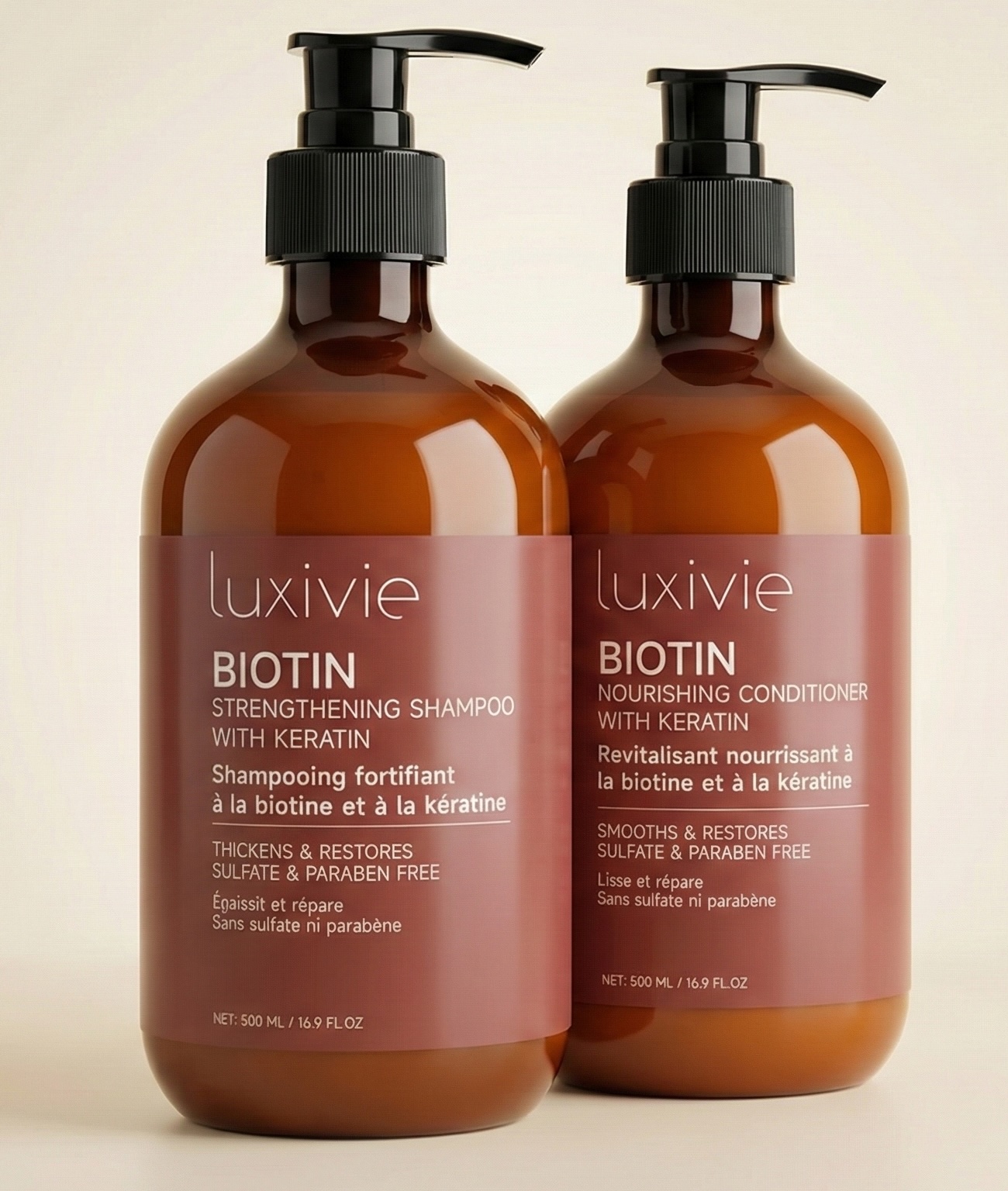
Luxivie Biotin & Keratin Shampoo & Conditioner Set for Dry & Damaged Hair — Strengthening & Smoothing Care
Care for dry, damaged-looking hair with a strengthening and smoothing duo. The shampoo gently cleanses while helping hair look fuller and more polished. The conditioner softens and smooths for easier detangling and improved manageability, leaving hair feeling soft and refreshed without weighing it down.
Shop Now on Amazon
Luxivie Biotin & Keratin Shampoo & Conditioner Set for Dry & Damaged Hair — Strengthening & Smoothing Care
Care for dry, damaged-looking hair with a strengthening and smoothing duo. The shampoo gently cleanses while helping hair look fuller and more polished. The conditioner softens and smooths for easier detangling and improved manageability, leaving hair feeling soft and refreshed without weighing it down.
Shop Now on AmazonFAQ
Why does my hair get so static in winter?
Static is more common in winter because dry air, indoor heating, hats, scarves, and clothing friction make it easier for hair to build up an electrical charge.
What is the fastest way to reduce static hair?
Use a tiny amount of leave-in conditioner or serum on your palms, then gently smooth over flyaways. Avoid using too much product, especially on fine hair.
Does frizzy hair shampoo help with static?
A gentle, moisture-supporting frizzy hair shampoo can help reduce the dryness that contributes to static, especially when paired with conditioner and a leave-in product.
Can a humidifier help static hair?
A humidifier may help by adding moisture to dry indoor air, which can make static less noticeable.
Should I wear a hat with wet hair in winter?
It is better to let hair dry before putting on a hat. Wet or damp hair under a hat can lead to creases, tangling, flattened roots, and styling difficulty.